FOR PATIENTS
Visit guide
If you are not sure what the dental problem is or where to start, the guide below can help you prepare for an evaluation.
Start with what is bothering you.
You do not need to know the treatment name. This guide helps you think through your situation step by step and understand what information may be useful before the examination.
BEFORE YOU START
When can a prosthodontic evaluation be helpful?
- When one or more teeth are missing and you want to understand which options may be more appropriate.
- When a previous crown, bridge, implant restoration, or denture has become problematic and you are unsure about the next step.
- When teeth have become worn, fractured, or shortened and this has affected function or appearance.
- When chewing has become uncomfortable or a removable denture feels unstable.
- When different treatment plans have been proposed for a complex situation and you want the problem re-evaluated from the beginning.
This section is not meant to diagnose the problem. It simply clarifies the kinds of situations in which a prosthodontic evaluation may help define the next step.
YOUR PATH THROUGH THIS PAGE
Five steps before the examination
Main concern
Timing & pattern
Records
Your question
Examination
STEP ONE
What is bothering you most?
- Pain, sensitivity, or discomfort
- A broken, loose, shortened, or worn tooth
- Difficulty chewing or a missing tooth
- A problem with a crown, bridge, implant restoration, or denture
- Concern about the appearance of the teeth or smile
- Several problems at once, or an unclear main problem
You do not have to choose the perfect category. Being able to explain what made you consider seeking care is enough to begin.
STEP TWO
Think about when it started and how it has changed.
- Whether the problem started recently or has been present for a long time
- Whether it is constant or changes over time
- Whether it began after previous dental treatment or was already present
- Whether it mainly affects pain, chewing, appearance, speech, or day-to-day comfort
STEP THREE
Gather what you know about previous treatment.
If you know what was done, roughly when it was done, and what happened afterward, make a note of it. If available, previous radiographs, CBCT scans, implant information, prescriptions, or treatment records can also be useful.
Not having these records does not prevent an initial evaluation; however, it is best to check with the clinic staff beforehand in case any specific records or imaging should be obtained before your visit.
STEP FOUR
Define the question you want answered.
“What is the main problem, and what is the most reasonable next step for my situation?”
That is enough to begin. You do not need to choose between treatment names or competing proposals before the examination.
STEP FIVE
What happens at the first examination?
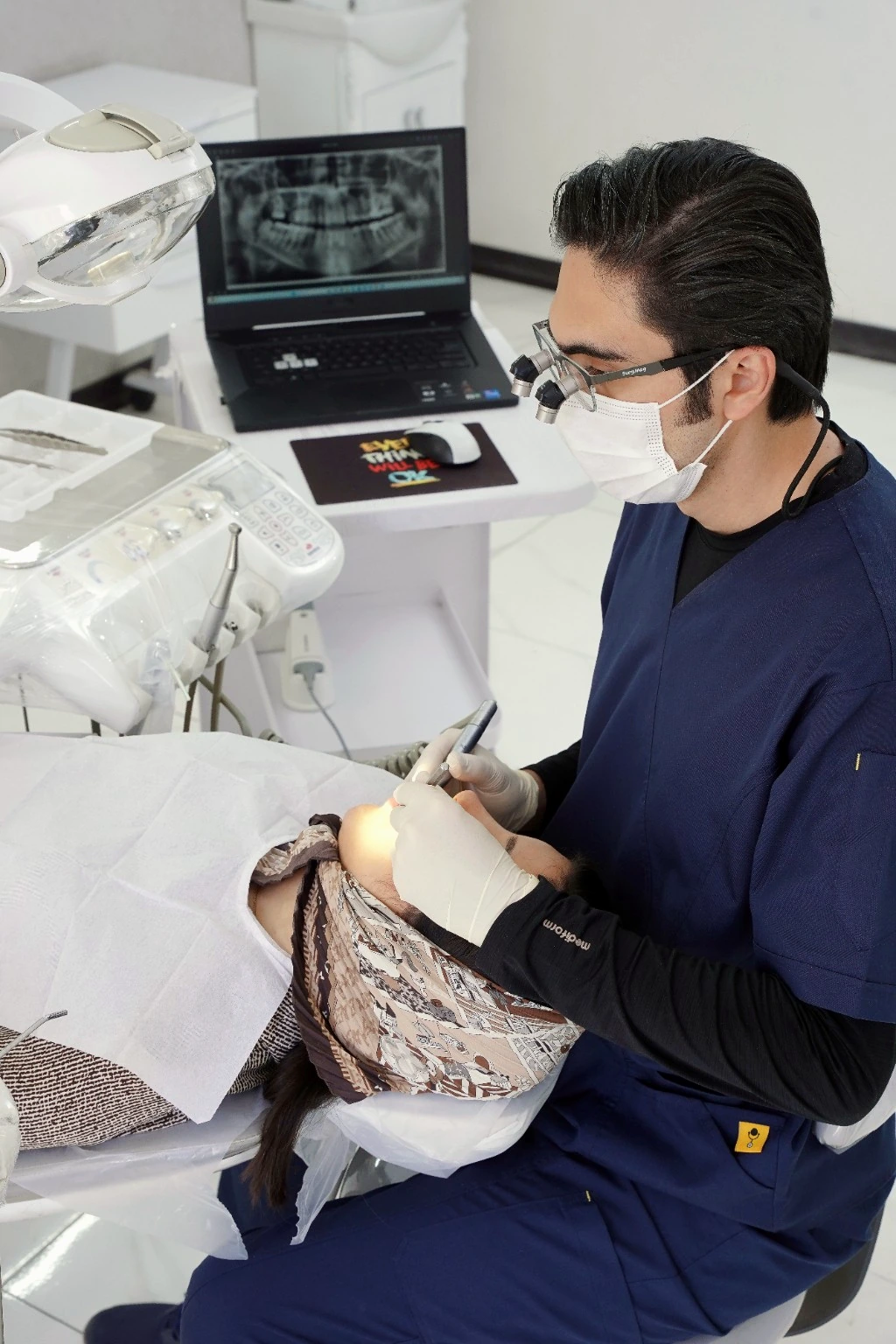
Your concerns and treatment history are reviewed first. The teeth, gums, bite, and previous dental work are then examined. If more information is needed to understand the problem, imaging, scanning, or another assessment may be suggested.
By the end, the aim is for you to understand where the problem may be coming from, what matters in the decision, and what the next step should be. Starting treatment is not necessarily the purpose of that first visit.
IF IT FEELS URGENT
If you have acute pain or swelling, a recent injury, or anything that feels as though it needs prompt attention, mention it when you first contact the clinic so an appropriate assessment time can be arranged.
STILL NOT SURE?
In that case, simply describe the problem in your own words. The diagnosis and treatment plan are determined after the evaluation, not before it.
THE NEXT STEP, SEPARATE FROM THE GUIDE ABOVE
Arrange an examination or ask which records may be needed
This link takes you directly to the contact and appointment information.