Clinical Case 11
Fixed Full-Arch Implant-Supported Rehabilitation
In this case, the patient was completely edentulous in both arches, and the conventional complete dentures he had previously used had not provided the stability and function he expected. Choosing a fixed implant-supported reconstruction was not, in itself, the most difficult part of the treatment. The more important question was how that reconstruction should be designed.
In a rehabilitation of this scale, the result on the day of delivery is only part of the story. A restoration that appears stable and successful initially still needs to remain cleansable, assessable, and manageable if a problem develops years later. For that reason, implant number and distribution, prosthetic design, cement control, and future access were considered as interconnected parts of the same treatment rather than as separate decisions.
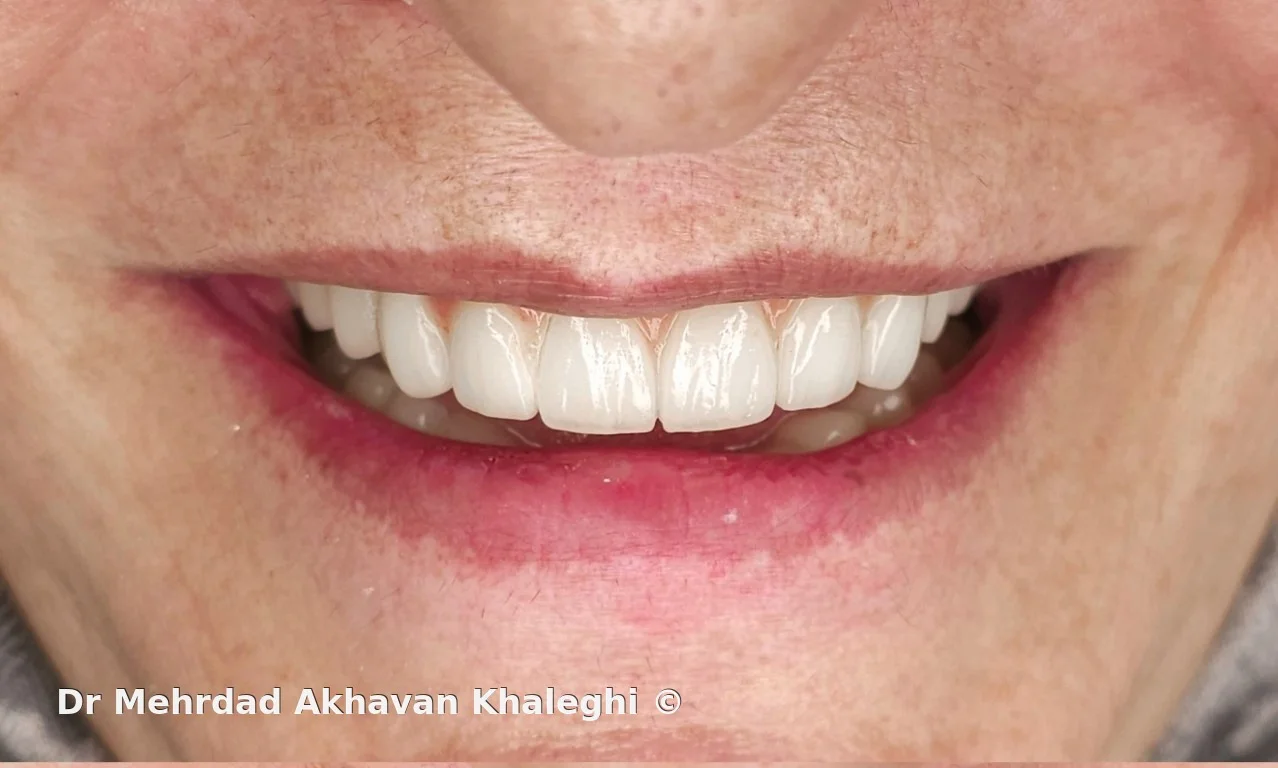
Eight implants were placed in the maxilla and six in the mandible. Given their distribution and the relatively wide distances between some of the implants, a one-piece reconstruction was not the only logical option. The definitive maxillary reconstruction was therefore divided into four segments and the mandibular reconstruction into three.
This decision was not made simply to make future repairs easier. Implant position and spacing also influenced the design, and segmentation helped keep the span of each unit more manageable. At the same time, an important consequence of this approach was that a localized problem would not necessarily require intervention across the entire reconstruction.
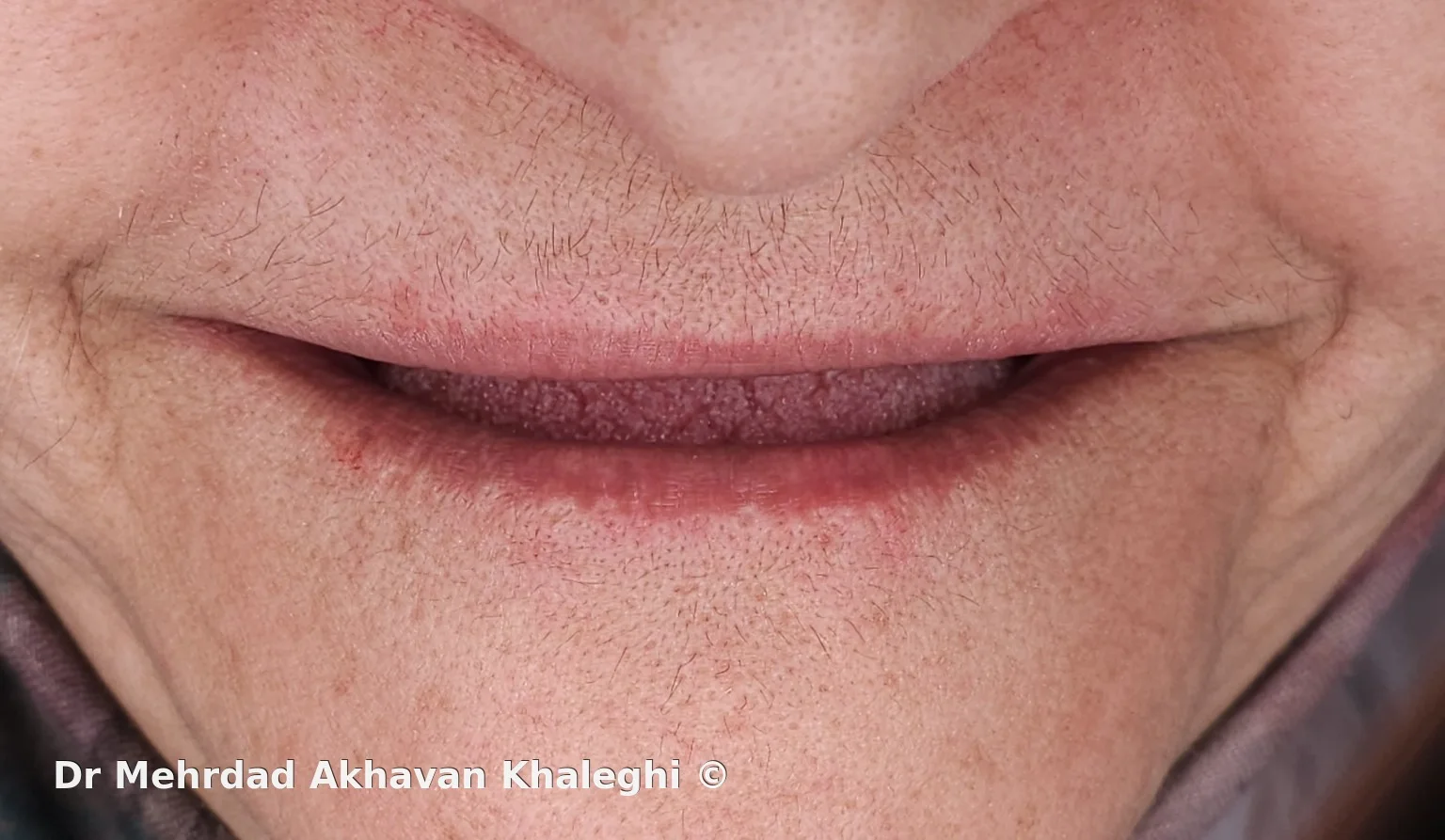
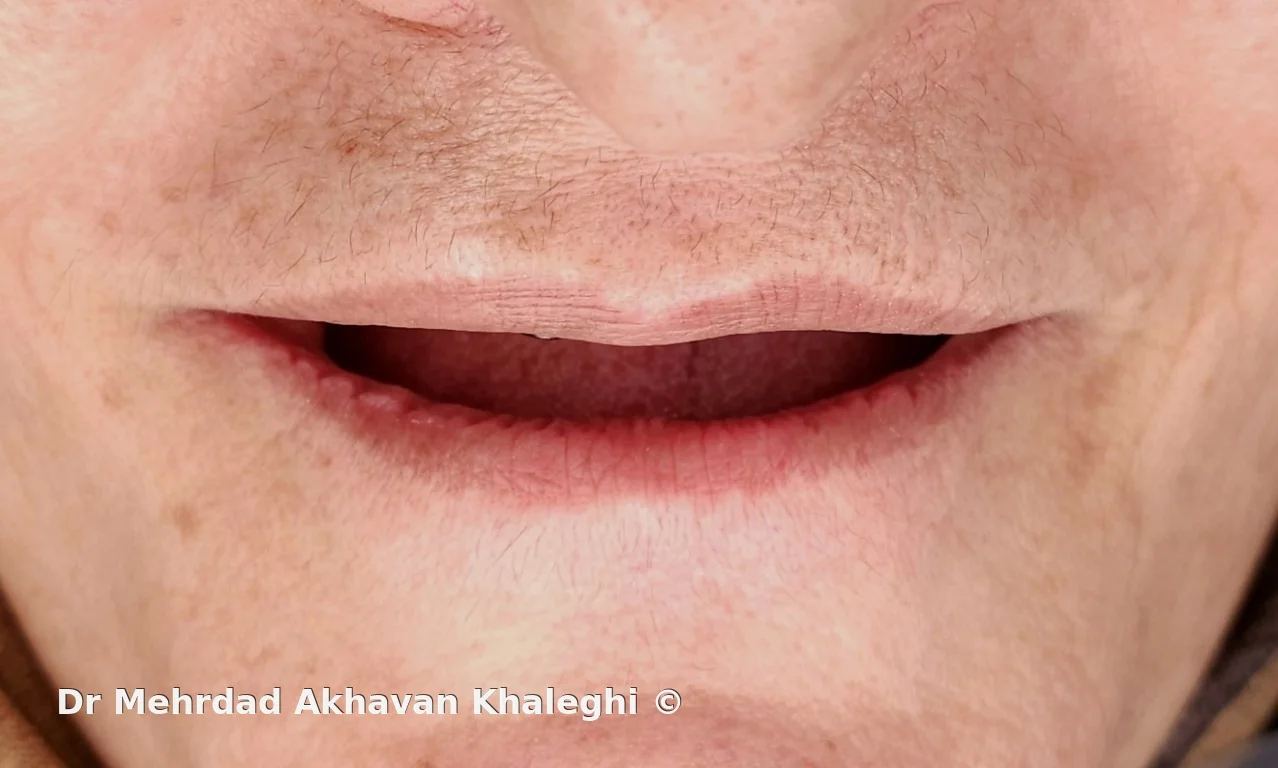
This experience should not be generalized to mean that a segmented design is always superior to a one-piece full-arch reconstruction. In this patient, it was the combination of anatomic conditions, implant distribution, and the anticipated maintenance requirements that made segmentation a defensible choice.
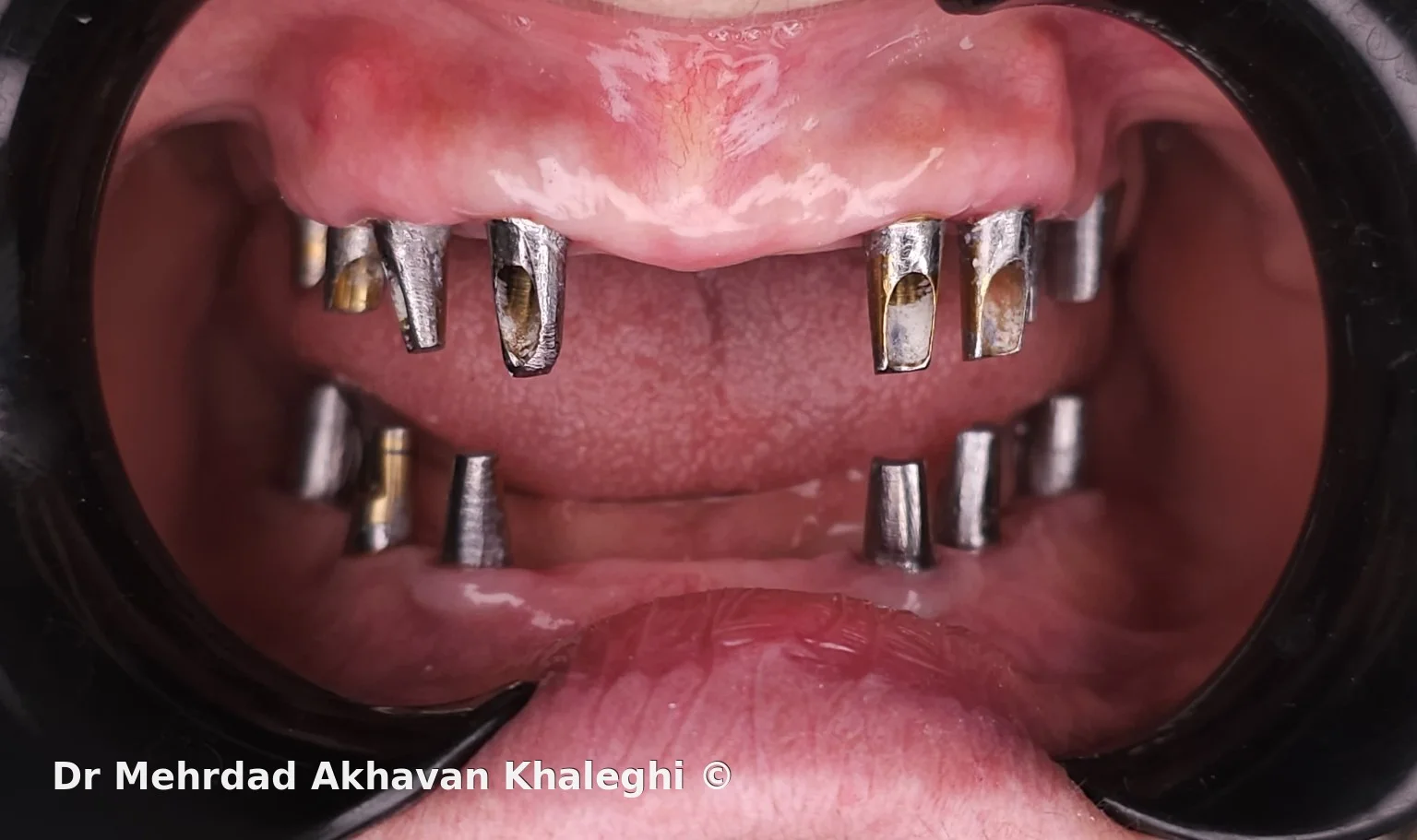
The definitive restorations were fabricated in layered zirconia and were cement-retained. This made cement control one of the more sensitive aspects of the treatment. Residual cement matters even in a small reconstruction; in an extensive implant rehabilitation, it could not simply be treated as an issue to address at the final stage after cementation.
Margins were therefore kept in accessible areas whenever possible, and when a subgingival margin was necessary, its depth was generally limited to approximately 0.5–1 mm. Several measures were used simultaneously during cementation. Petroleum jelly was applied around the margins to facilitate removal of excess cement. When appropriate, a rubber dam was used selectively as a barrier. The screw head was protected, and the screw-access channel was not completely sealed so that a controlled internal pathway remained for cement escape. Careful cleanup followed, and radiography was used as an adjunctive check, with the understanding that radiographs alone cannot confirm the complete absence of residual cement.
The maintainability of the reconstruction did not depend on a single technique. Segmentation, accessible margin placement, a multistep cement-control protocol, and documentation of screw-access locations were all incorporated into the design so that, if intervention became necessary later, the pathway for doing so would already be as clear as possible.
The same logic extended to occlusion and hygiene. During lateral excursions, a limited canine and first-premolar group function was established to avoid concentrating eccentric forces on a single contact while also reducing broad posterior contacts and distal bending moments. The intaglio surfaces were designed with convex, cleansable contours, and the patient used a toothbrush, water flosser, and interdental aids to clean between the segments.
Although the reconstruction was divided into several units, the goal was not for it to appear or function as a collection of separate pieces. The segments were intended to work together as a single reconstruction, both visually and functionally, including their overall form and occlusal relationships.
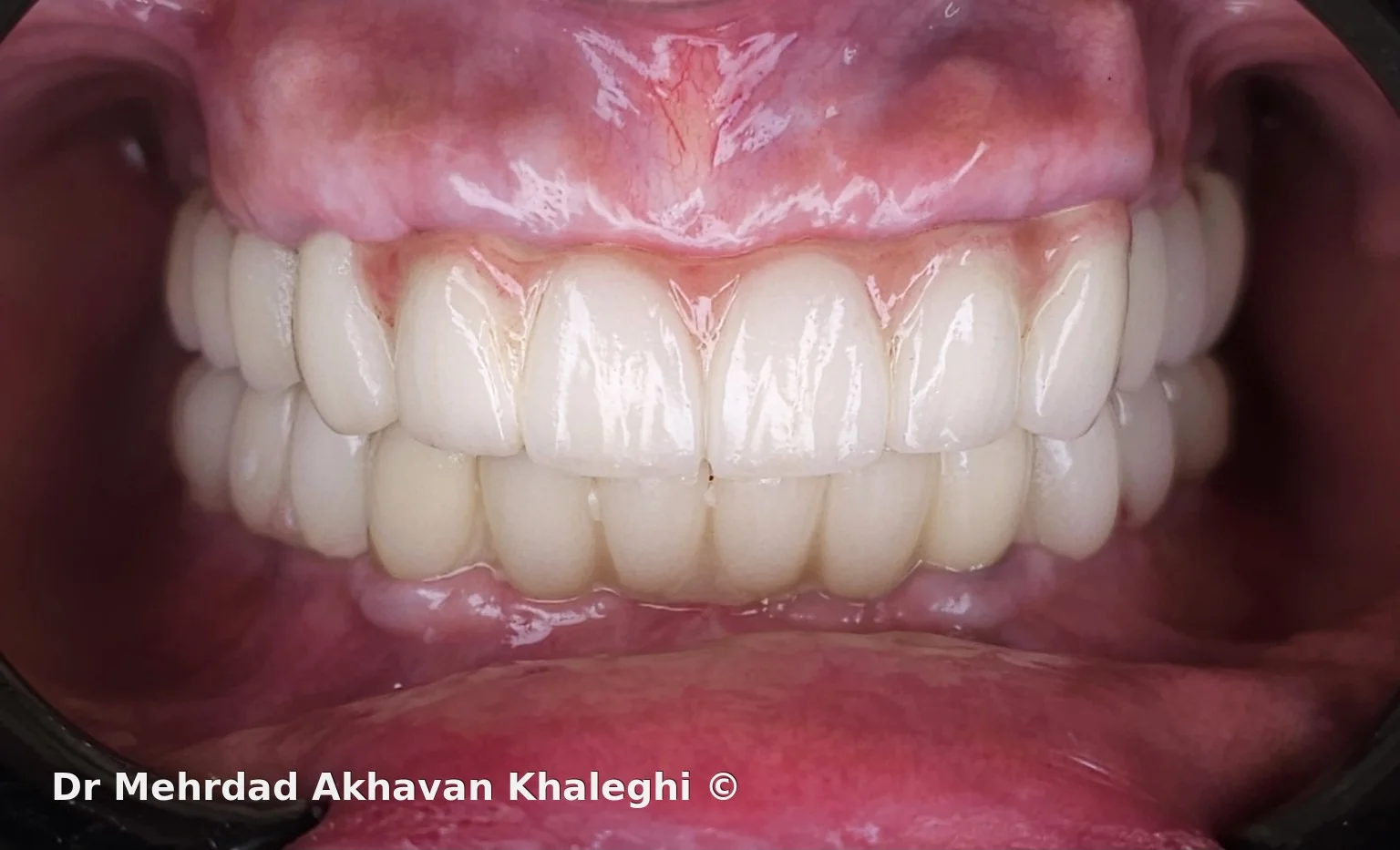
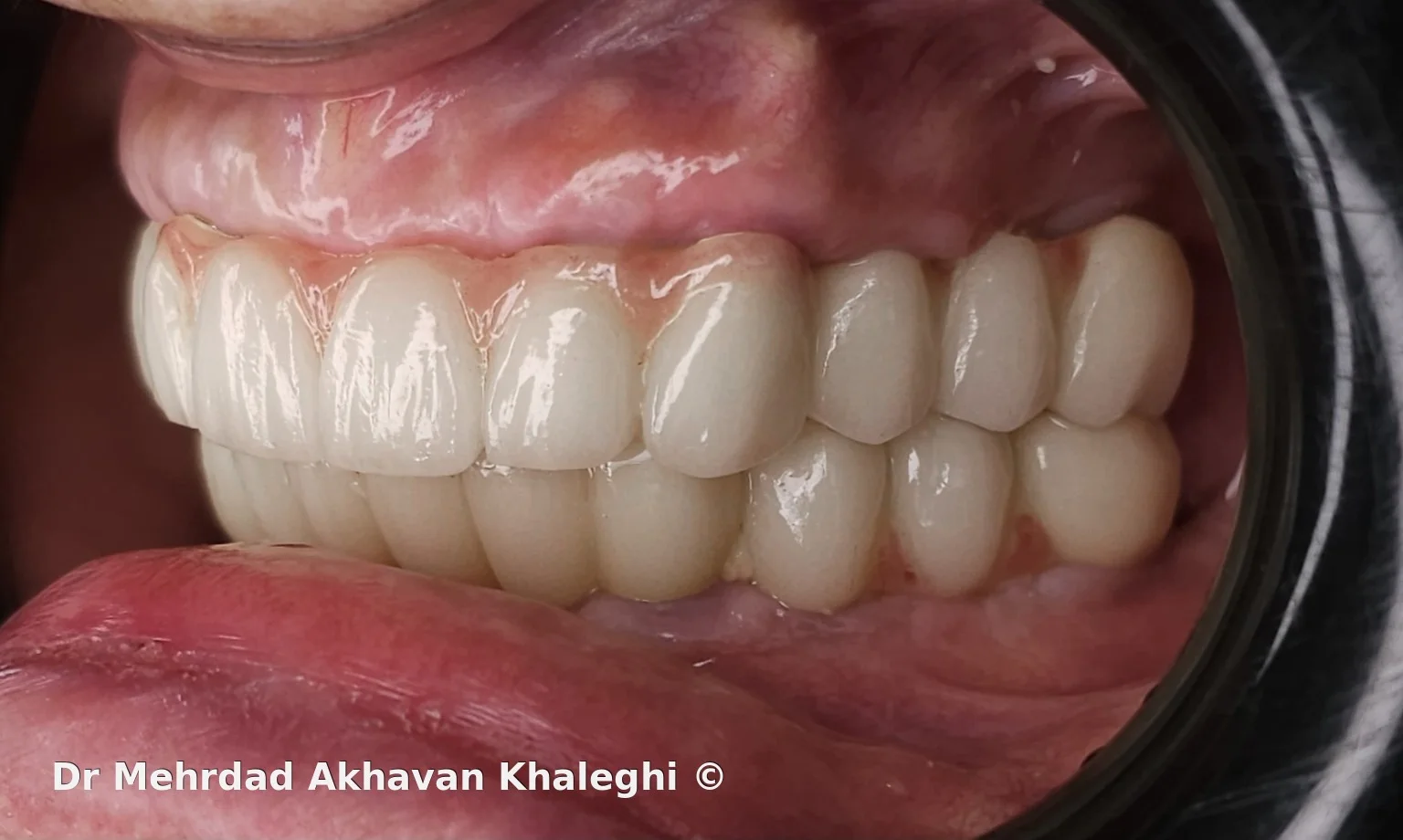
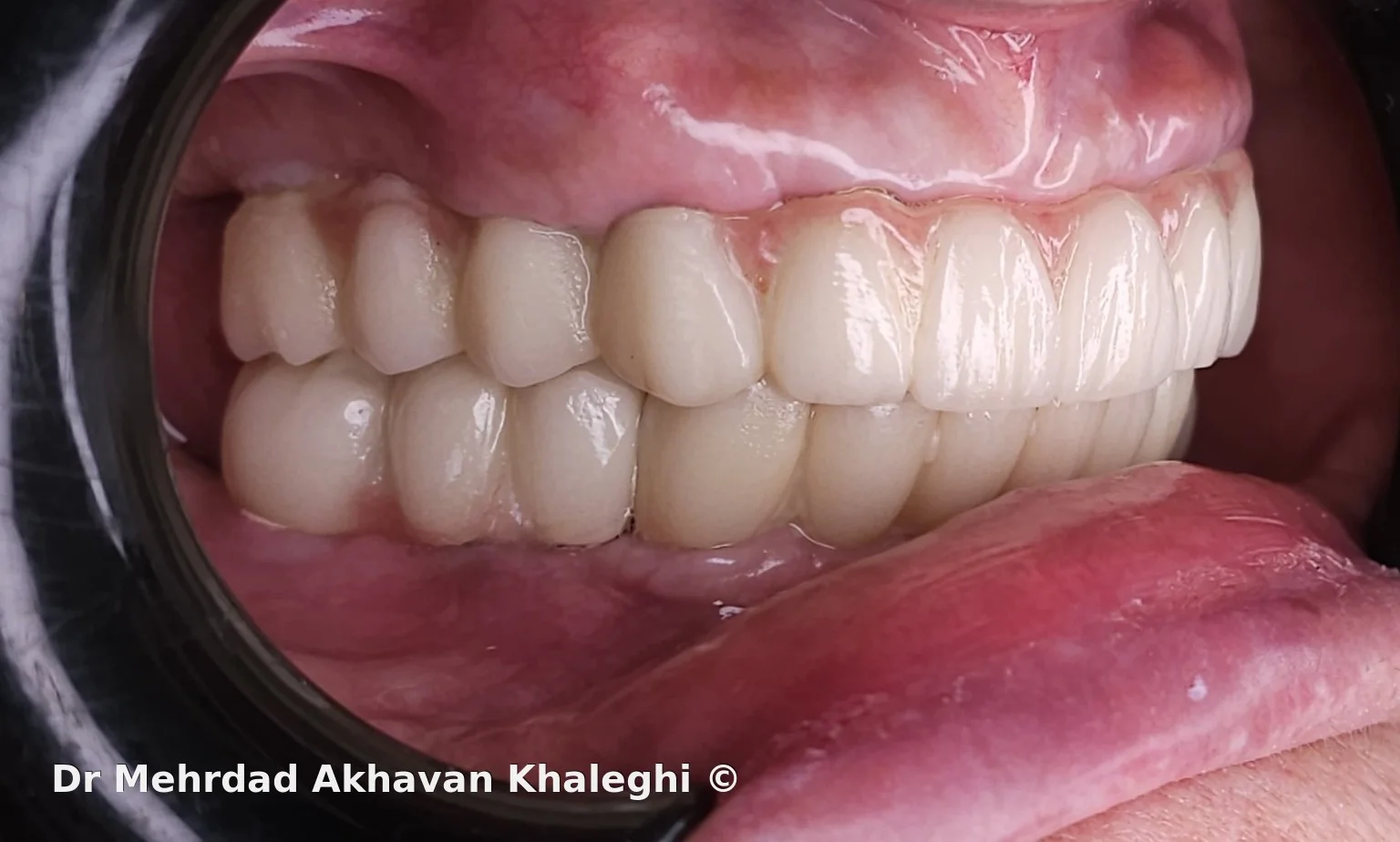
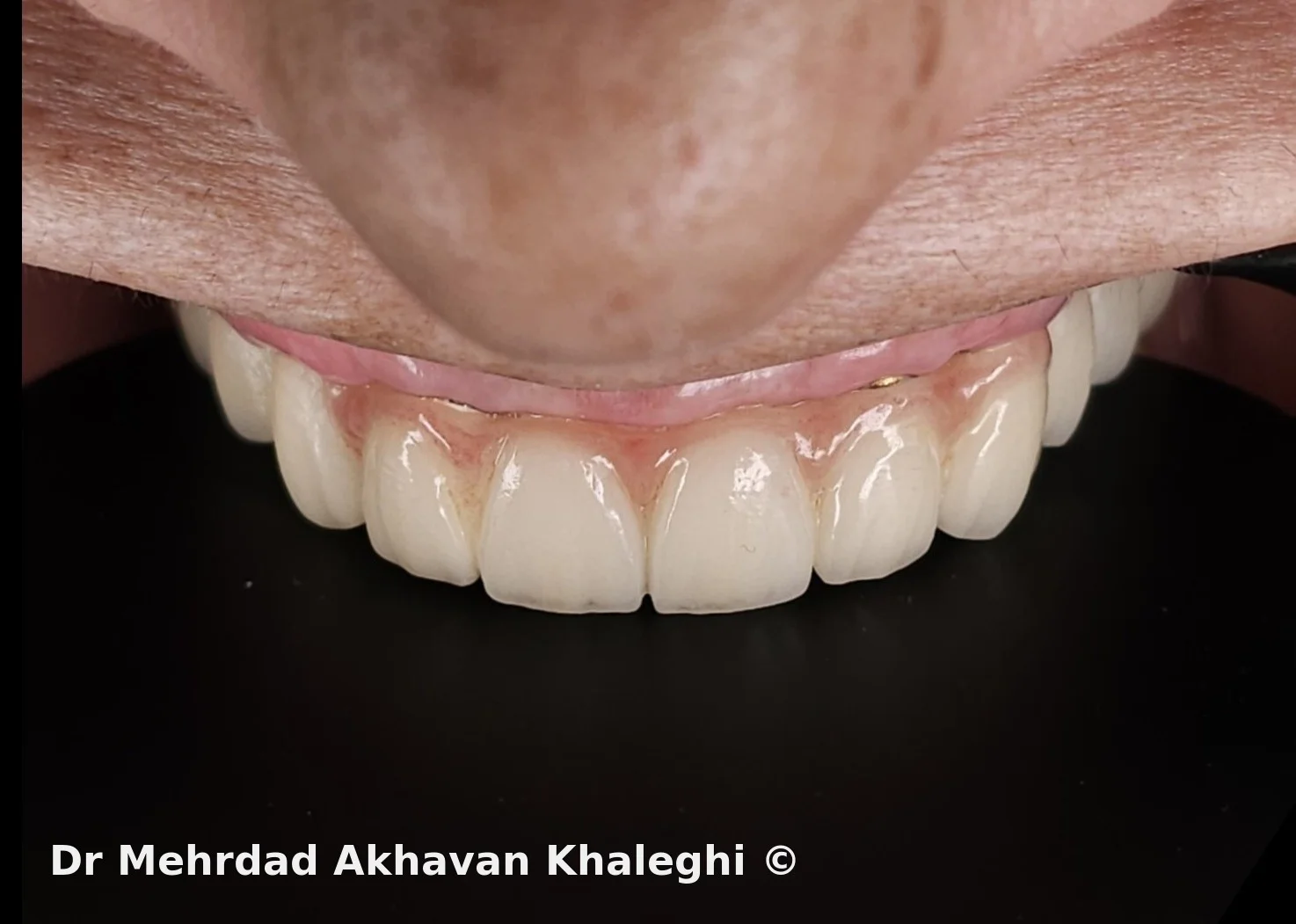
The patient was reviewed at one, three, six, and twelve months, and annually thereafter. The documented follow-up period for this case is approximately five years.
Approximately two years after treatment, an event occurred that put part of the original design logic to a practical test: one of the segments debonded.
The segment was removed and the underlying screws were examined. No screw loosening was present. After evaluation, the same segment was recemented with permanent cement, without the need to disturb the remainder of the reconstruction.
I do not regard this complication as a weakness in the narrative of the case. On the contrary, it is one of its most important elements. Until that point, serviceability had been one of the reasons behind the design. Once a real complication occurred, the practical value of dividing the reconstruction into separate units became much clearer in the context of long-term maintenance.
For me, the central point of this case is not the number of implants, the use of zirconia, or even segmentation by itself. The real issue is designing an extensive reconstruction from the outset with the possibility that one day it may require maintenance or intervention. The quality of such treatment is not revealed only on the day it is delivered; part of that quality becomes apparent years later in the way a real complication can be managed. Maintainability shows its real value when treatment actually requires intervention.
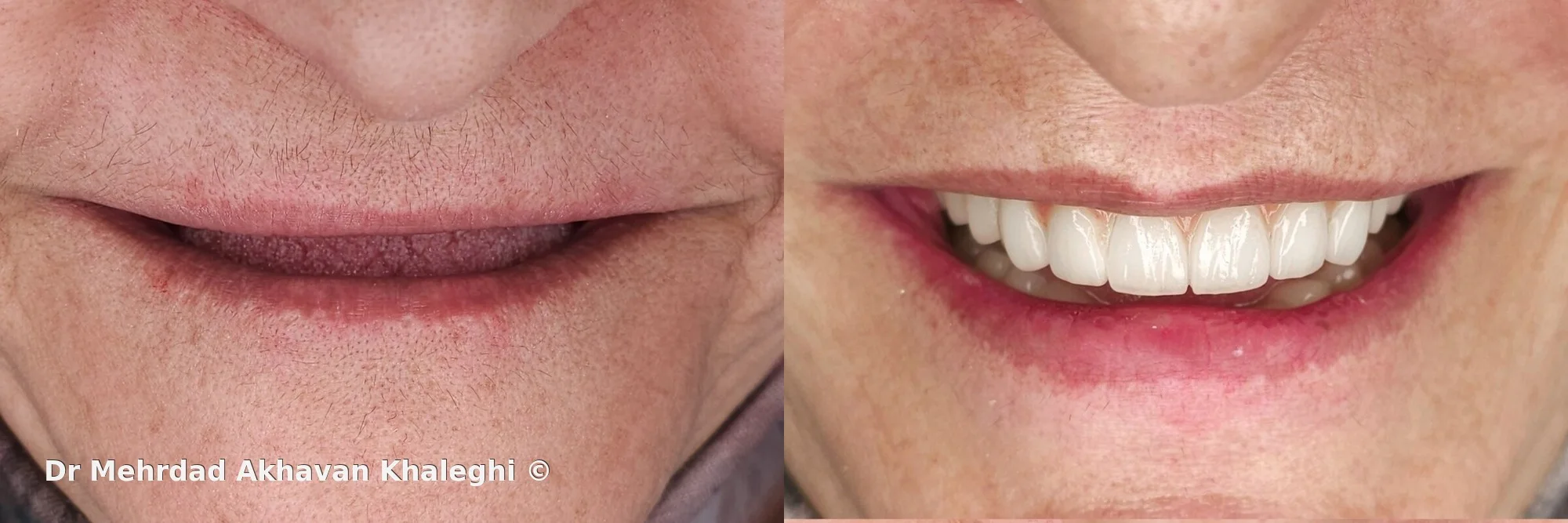
Clinical case and photography © Dr Mehrdad Akhavan Khaleghi. Unauthorized use or reproduction prohibited.