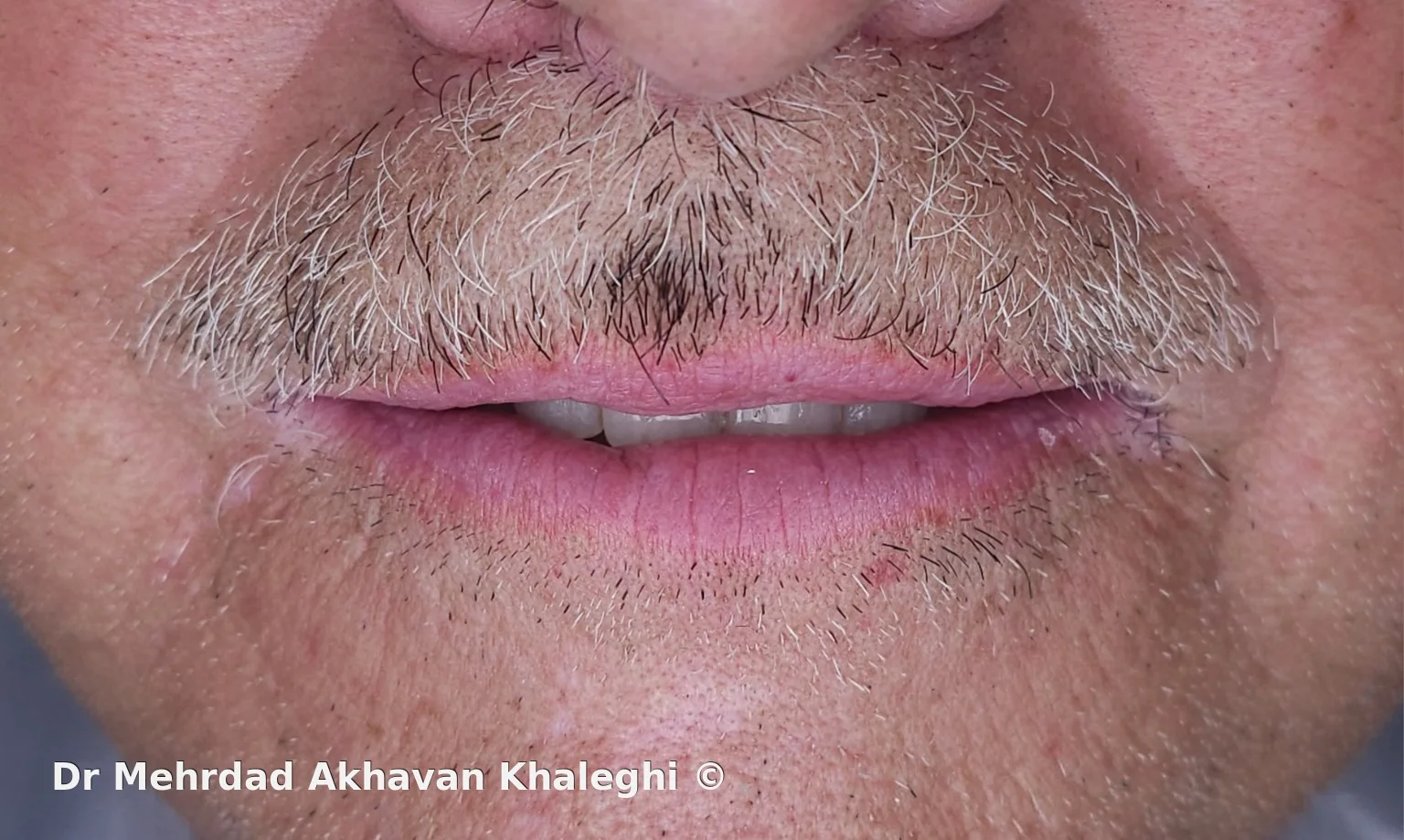
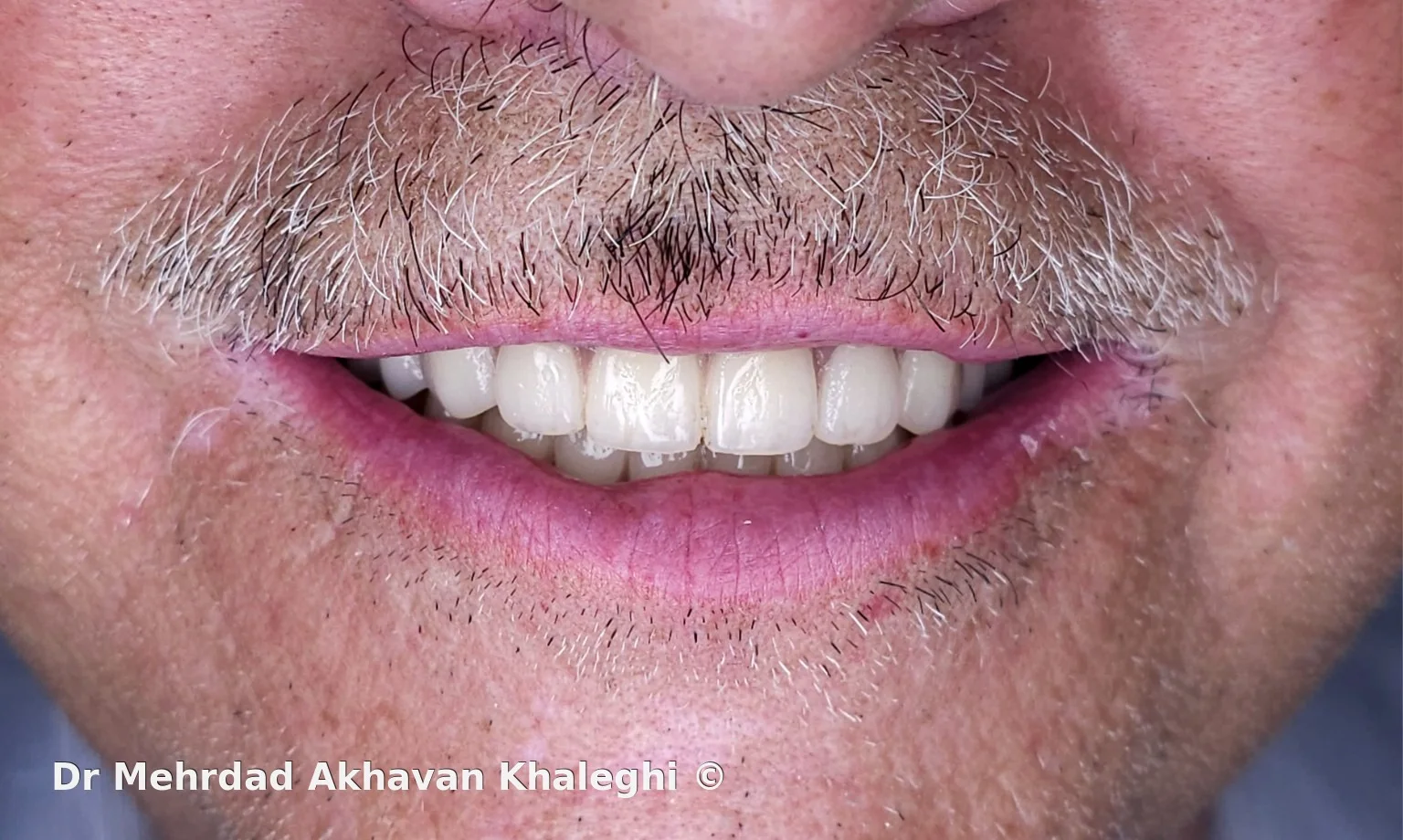
Clinical Case 9
Rehabilitation of Both Edentulous Arches: When More Complex Treatment Is Not Necessarily Better
A 65-year-old patient presented with complete edentulism of both arches and no previous experience with complete dentures. Severe posterior ridge resorption was present in both arches. From the outset, the patient wanted greater retention and stability than conventional complete dentures could provide. That preference alone, however, could not determine treatment. The more relevant question was how much complexity was justified by the available anatomy, the prognosis of possible surgical pathways, implant distribution, prosthetic space, and the maintenance demands that would follow.
A fixed implant-supported reconstruction was also considered, but severe posterior resorption in both arches limited a straightforward and predictable implant distribution. In the mandible, vertical augmentation with an autogenous bone graft was also discussed with the surgeon; based on the patient’s circumstances and the surgeon’s assessment, the prognosis for that pathway was not considered favorable. Pursuing a fixed reconstruction would therefore have required substantially greater surgical complexity without a proportionate certainty of additional benefit. Selecting an overdenture in this setting was not choosing a simpler treatment instead of a better one; it was choosing the option that better matched the anatomy, surgical prognosis, and the patient’s objective. Four Tissue-Level implants were placed in the anterior region of each arch; in the mandible, the distribution corresponded to the A, B, D, and E positions of an OD-4 pattern.
The presence of four implants in each arch did not, by itself, justify choosing the most complex attachment system.
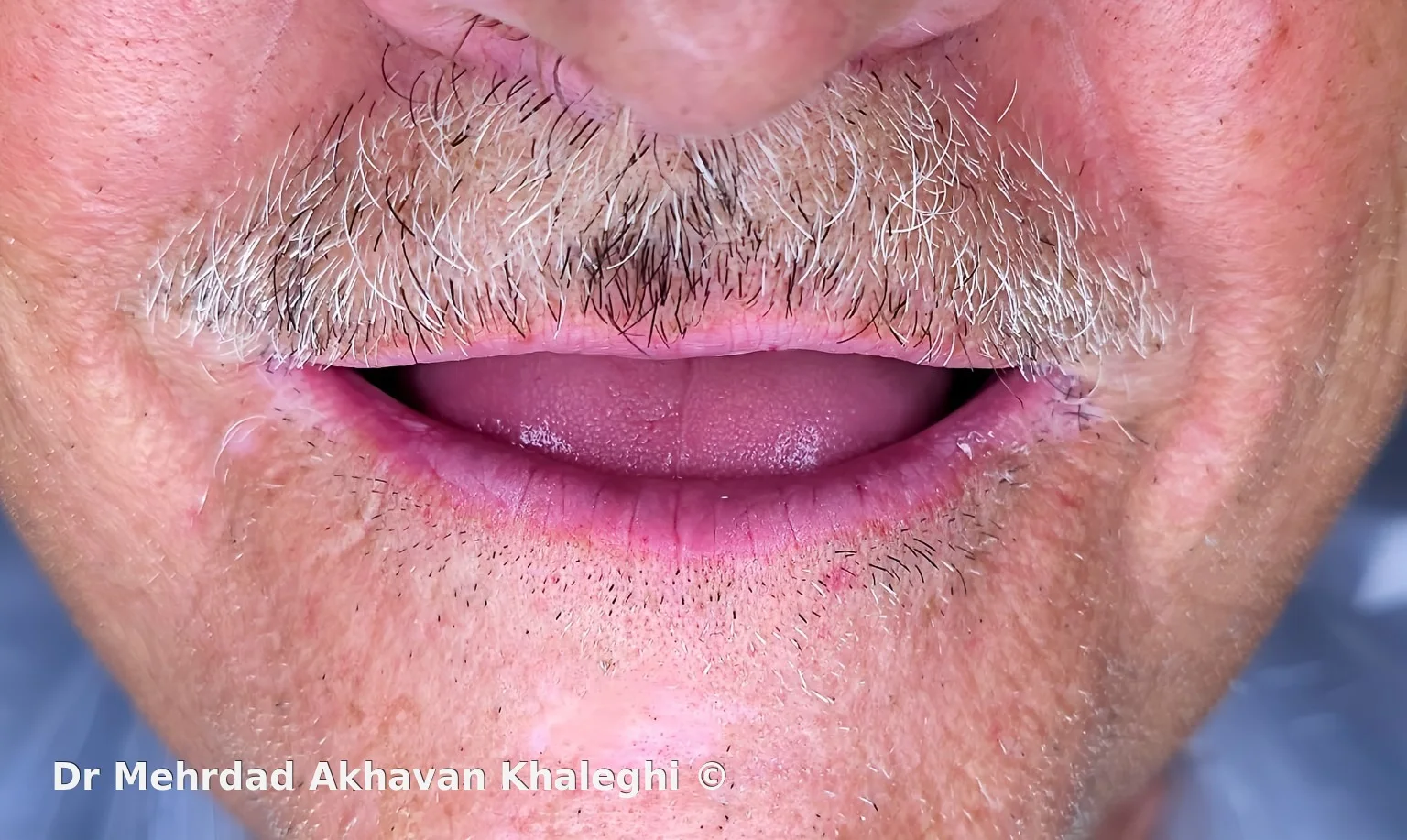
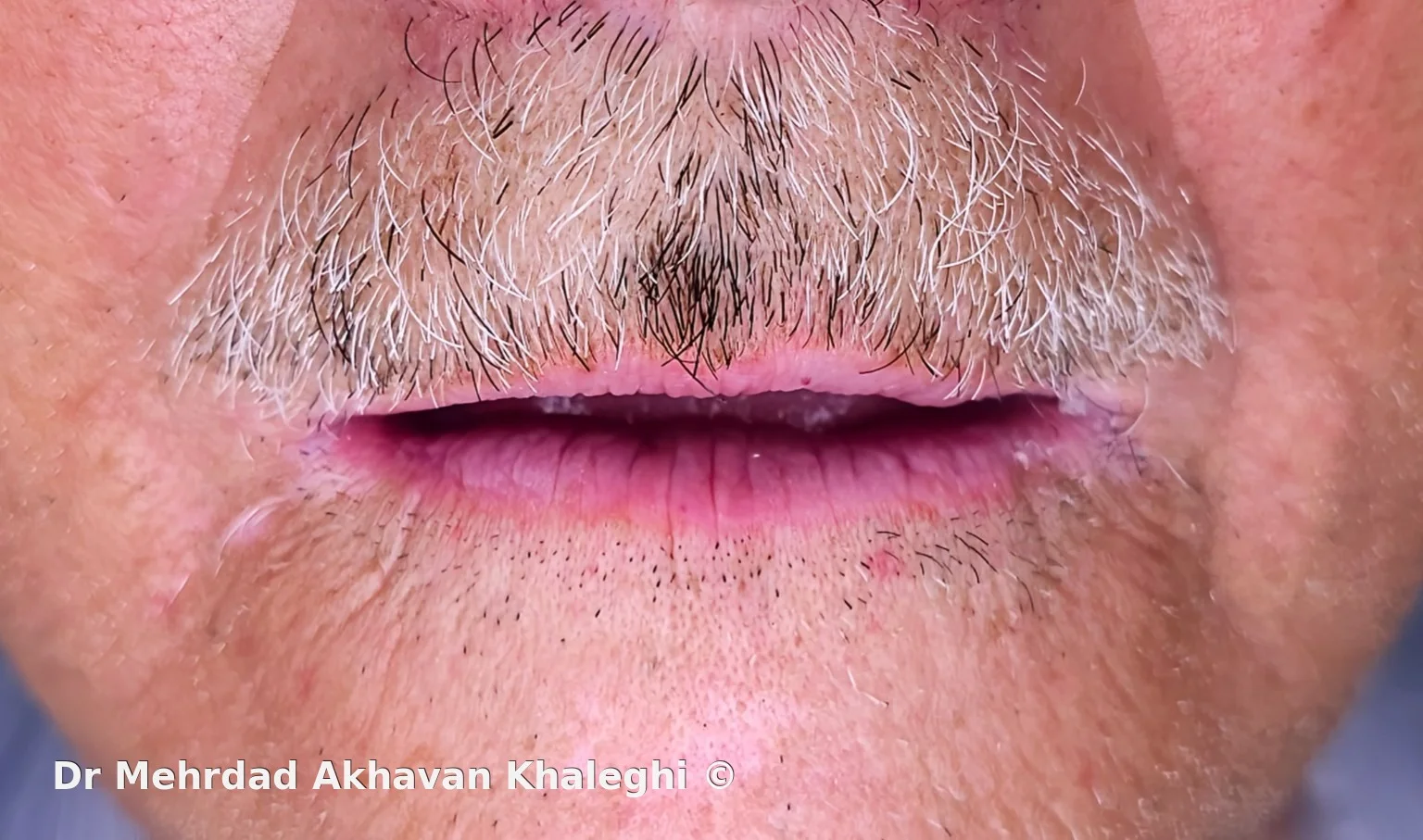
If a bar adds no clear advantage, why make the treatment more complex?
Independent ball attachments were used for retention. A bar was also a possible option, but there was no clear clinical advantage in this patient that justified the additional complexity. Independent attachments also made retention adjustment, repair, and future replacement of retentive components more straightforward.
This should not be interpreted as a general claim that ball attachments are superior to a bar. Attachment selection depends on implant number and position, angulation, prosthetic space, the intended prosthetic design, and the conditions of the individual patient. The relevant question in this case was whether adding a more complex structure would provide a meaningful clinical benefit. Without a clear advantage, the simpler and more maintainable design was the more defensible choice.
Both overdentures incorporated metal frameworks to increase rigidity and reduce the risk of structural fracture. Bilateral balanced occlusion was used so that bilateral contacts during eccentric movements could contribute to stability of the removable prostheses.
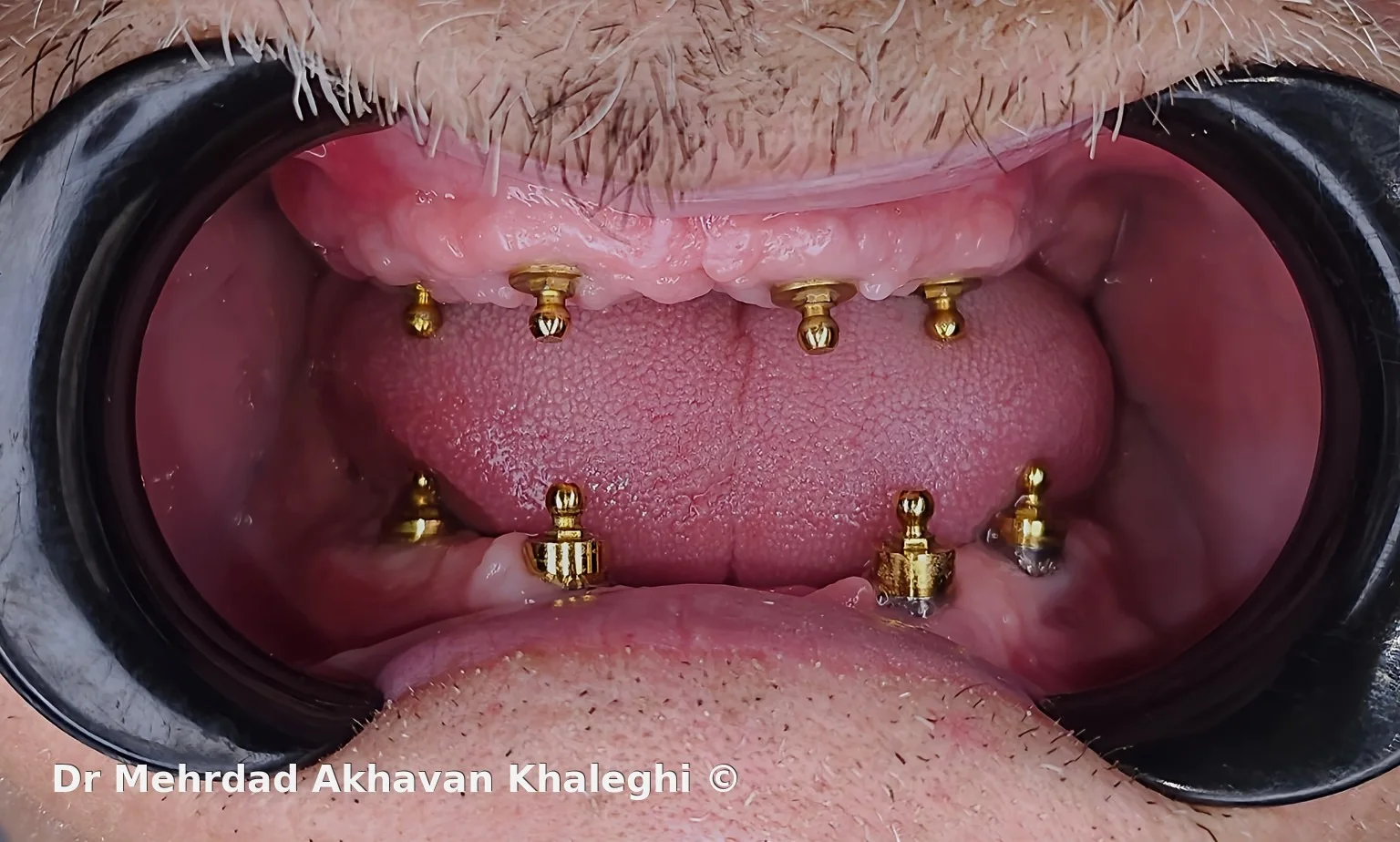
Palatal coverage: when patient preference became part of the treatment plan
Complete palatal coverage was a significant concern for the patient. It was perceived as restricting tongue space and affecting temperature perception and the overall experience of eating.
Patient preference matters in a decision like this, but it can only be incorporated when the resulting design remains biomechanically defensible. Palatal coverage was therefore not eliminated simply because the patient disliked it. Implant conditions, tissue support, prosthetic space, and structural strength were considered first; when those factors allowed it, the maxillary overdenture was designed without palatal coverage.
This distinction is important. Listening to a patient's preference is not the same as handing over responsibility for the treatment plan. The patient can identify what is uncomfortable or important; the clinician remains responsible for deciding how far that preference can be incorporated without compromising the principles of treatment.
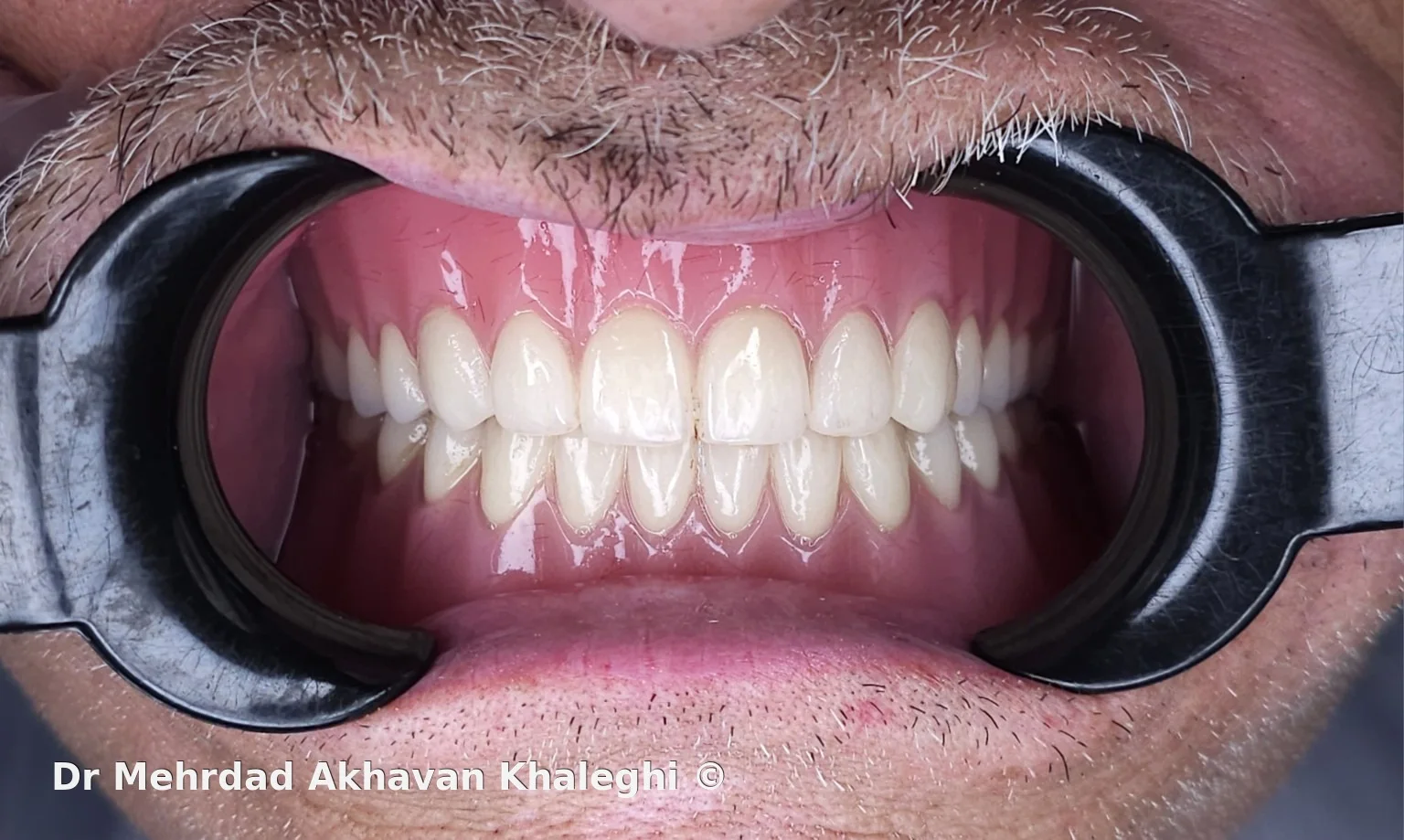
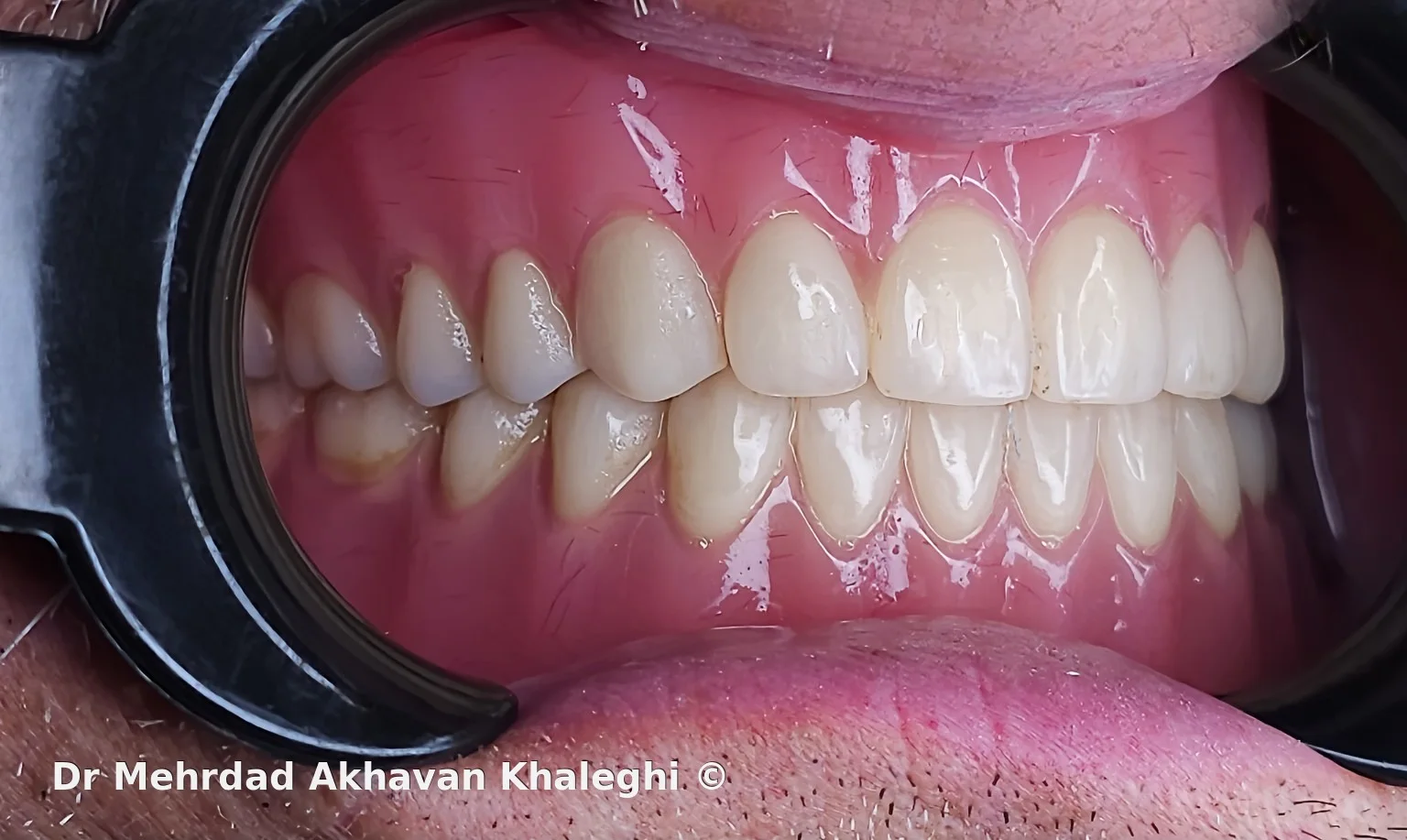
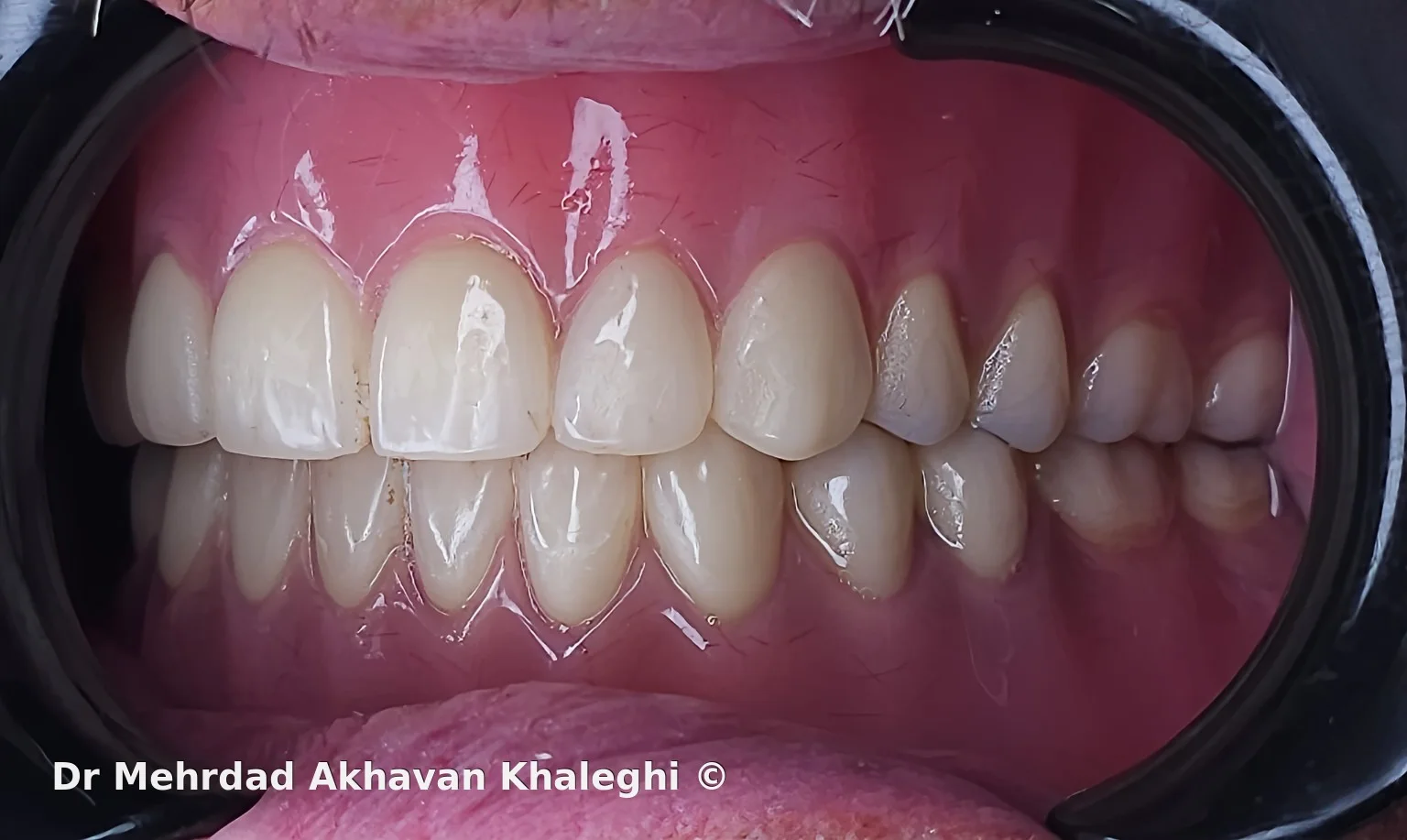
Three-year follow-up: maintenance was part of the treatment, not an unexpected event
The patient was followed for three years. Early sore spots were adjusted during follow-up visits, and one retentive cap required replacement. No reline, major repair, or remake of the prostheses was reported.
Replacement of a retentive cap in this type of treatment does not necessarily represent treatment failure. Overdenture retentive components are subject to wear, and the ability to adjust or replace them is part of the maintainability of the design. The relative simplicity of maintaining independent attachments was one of the practical considerations in their selection.
A three-year follow-up in a single patient does not demonstrate superiority of one attachment system or prosthetic design over another. The outcome reflects multiple factors, including implant position, prosthetic design, occlusal control, tissue condition, hygiene, and periodic maintenance.
The more important point in this case is that a more comprehensive treatment does not necessarily have to be more fixed or more complex. The patient needed greater retention and stability, and four implants in each arch made that possible; the mere presence of implants was not, however, a reason to move toward the most elaborate design available.
In the maxilla, even the patient's preference to avoid palatal coverage became part of the final design—but only after the change was judged structurally and prosthetically defensible.
Appropriate prosthetic design emerges when patient needs, anatomical conditions, biomechanical requirements, and long-term maintainability are considered together—not when the most complex option is automatically assumed to be the best treatment. Complexity has value only when it produces a benefit proportionate to its risk and prognosis.